332,000 hectares. South Africa's first UNESCO World Heritage Site. Eight interlinking ecosystems sharing a single coastline. iSimangaliso Wetland Park is two hours north of Zinkwazi Beach, and most visitors who make the drive describe it as the day trip they did not plan long enough for. St Lucia town is the access point, makes a good lunch stop, and is worth an hour in its own right.
What is iSimangaliso Wetland Park?
iSimangaliso was declared South Africa's first UNESCO World Heritage Site in 1999. According to UNESCO, the South African portion of the site covers over 332,000 hectares of coastal wetland, lake, forest and reef systems. The park runs along a 220-kilometre coastline from Maphelane in the south to Kosi Bay on the Mozambican border in the north. In April 2024 the property was formally extended to include Maputo National Park in Mozambique, creating a transboundary World Heritage Site of approximately 397,403 hectares.
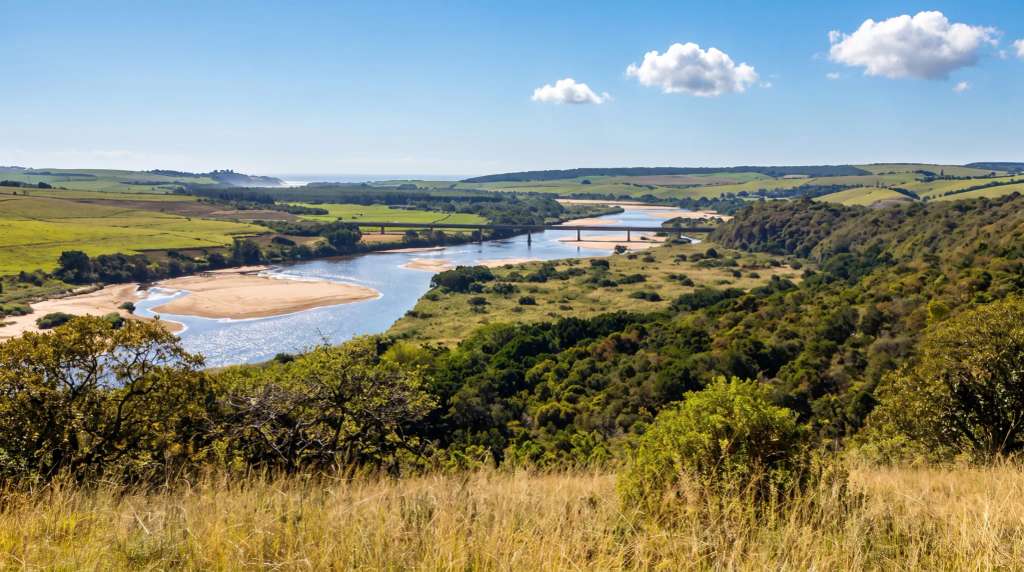
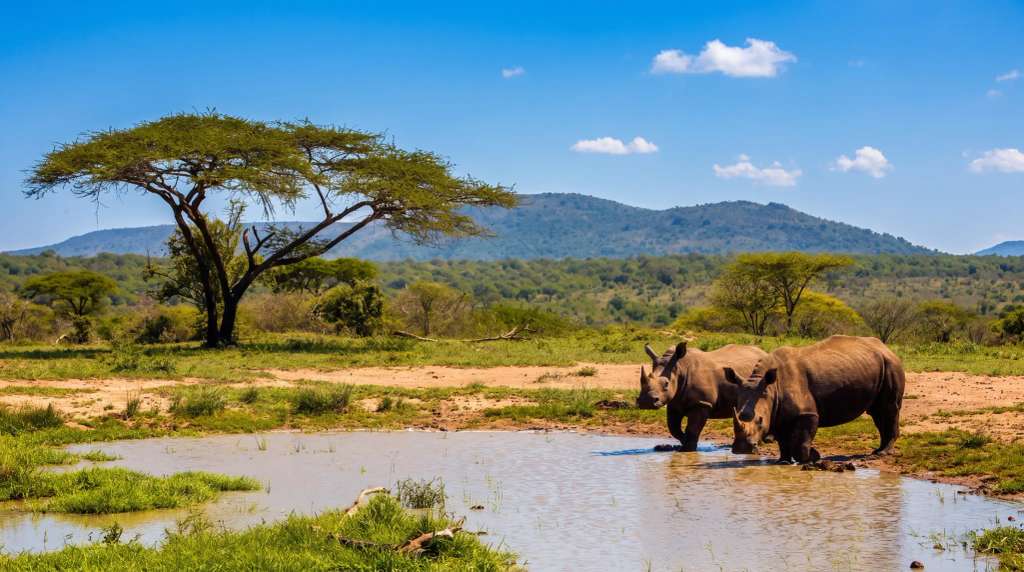
The name iSimangaliso is isiZulu for "miracle" or "wonder." The park contains three major lake systems, all designated Ramsar Wetlands of International Importance, more than 530 bird species, and 25,000-year-old coastal dunes that are among the highest on Earth. Lake St Lucia at the heart of the park is Africa's largest estuarine system, home to approximately 800 hippos and 1,200 Nile crocodiles. African lions were reintroduced in December 2013 after a 44-year absence, making iSimangaliso a Big 5 destination. The beach at Cape Vidal, inside the park boundary, is one of the finest stretches of undeveloped shoreline on the continent.
Things to do in St Lucia KZN on a day trip
St Lucia town
The town of St Lucia sits at the southern entrance to the park. It has a good selection of restaurants and cafes for lunch, a main street worth a short walk, and serves as the launch point for boat-based game viewing on the estuary. Hippos are regularly seen from the bridge at the entrance to town and from the banks of the estuary itself. Dawn and dusk are the most reliable times. St Lucia is also the base for operators running game drives, snorkelling, and scuba diving into the marine protected area offshore.
Estuary boat cruises
Boat-based viewing on the St Lucia Estuary is the most popular activity in the area. Two-hour sunrise and sunset cruises depart from the St Lucia Estuary Jetty and bring visitors within close range of hippos, crocodiles, water birds and seasonal humpback whales. The iSimangaliso Wetland Park Authority lists accredited operators. Book ahead in peak season and school holidays.
Hluhluwe-iMfolozi is a separate trip
A common mistake is trying to combine iSimangaliso and Hluhluwe-iMfolozi in a single day from Zinkwazi. They are not adjacent. iSimangaliso and St Lucia are approximately two hours north of Zinkwazi. Hluhluwe-iMfolozi is also approximately two hours north but in a different direction inland. Hluhluwe-iMfolozi and the Anglo-Zulu War Battlefields is a separate day trip and deserves its own day.
Cape Vidal and Sodwana Bay
Cape Vidal is a beach and snorkelling destination inside the northern section of iSimangaliso. It sits approximately 30 minutes north of St Lucia town on a good tar road. The beach is spectacular, the snorkelling on the nearshore reef is accessible without a boat, and whale sharks are present seasonally. Cape Vidal has an entry gate and day visitor fees apply. Arrive early: the road into the park can queue during peak periods. Further north inside the park, Sodwana Bay is one of the world's premier dive sites, known for its coral diversity. Sodwana is too far for a comfortable day trip from Zinkwazi but is worth knowing about for a longer iSimangaliso visit.
Walking trails and self-drive
iSimangaliso has several walking trails suitable for day visitors, including the Forest Walk near St Lucia town and the Umkhumbi Trail. The park road north from St Lucia toward Cape Vidal can be driven in an ordinary vehicle. Wildlife along the road includes nyala, zebra and warthog as standard, with rhino and elephant sightings less common but possible. Lions are present in fenced sections of the park; sightings on the Cape Vidal road itself are rare. Birdwatching at Zinkwazi covers the lagoon and forest birding around Zinkwazi for visitors building a broader birding itinerary.
"iSimangaliso is one of those places that people arrive at expecting a nature reserve and leave having seen something they did not have a category for. The scale of it changes something."
Planning your day trip from Zinkwazi
Drive time: approximately 2 hours from Zinkwazi via the N2 north to the R618 turnoff toward St Lucia. Allow for a full day. Arriving mid-morning, lunch in St Lucia, an estuary cruise or Cape Vidal in the afternoon, and back to Zinkwazi by early evening.
Entry fees: The park is managed by the iSimangaliso Wetland Park Authority, which took over full responsibility for tourism operations from Ezemvelo KZN Wildlife in March 2026. Conservation fees apply at the park gates. Current fees and the latest booking information are listed on the iSimangaliso Authority website. Confirm before your visit as fees are updated periodically.
What to bring: Sun protection, insect repellent, binoculars, water, a hat, and comfortable walking shoes. Camera with a reasonable zoom if you have one. The estuary cruise covers significant distances.
Best time to go: June through November for the humpback whale migration offshore (peak in July). Year-round for hippos, crocodiles and birdlife. December through February can be very hot and humid, so plan your activity for the morning. Whale watching on the Dolphin Coast covers the migration timing in detail. For timing your broader trip, the best time to visit Zinkwazi covers the full seasonal picture, and family holidays at Zinkwazi covers planning considerations specific to families with children.
If you are planning a Zinkwazi stay with iSimangaliso as a day trip, Zinkwazi has many self-catering options including lagoon-side cottages, beach houses, pet-friendly places, and the houses set back in the milkwood forest. The two-hour drive each way is a long day, so consider booking accommodation that lets you return to a comfortable base. Ridge House in Nkwazi Ridge Estate has the estate pool and tennis court on the doorstep for the day after.
Frequently asked questions
Published June 23, 2026