Anglo-Zulu War history on a river bluff. The Palm-nut Vulture in a coastal forest boardwalk. Zinkwazi's immediate neighbourhood offers more than most visitors realise before they arrive, and neither requires a full day or a long drive.
Both are within easy reach of the village. They suit a morning out, a half-day exploration, or a rainy-day alternative when the beach is not cooperating.
Harold Johnson Nature Reserve
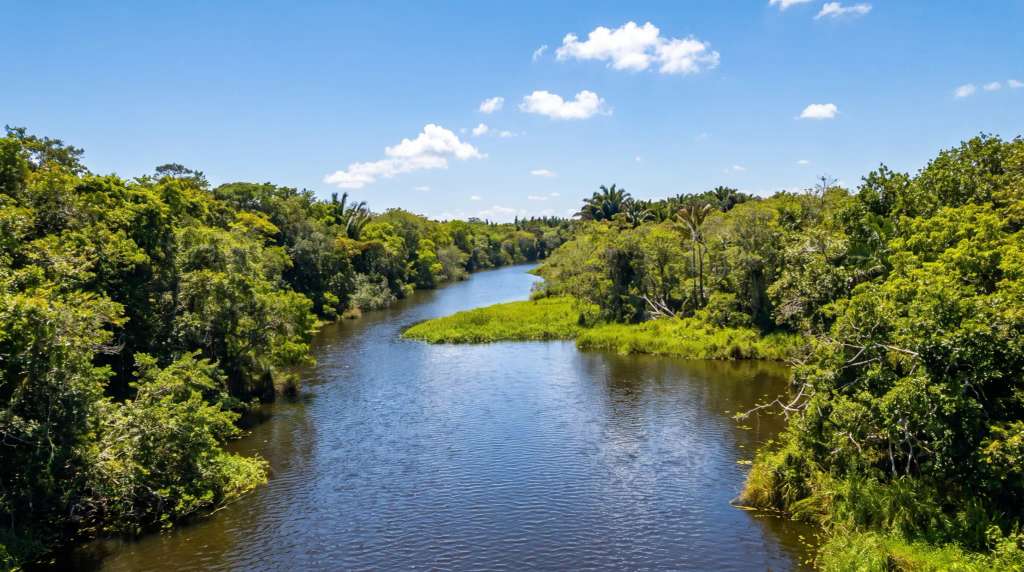
Harold Johnson Nature Reserve sits on the south bank of the Tugela River, 6 kilometres from the river mouth. It is approximately 20 minutes north of Zinkwazi on the R102 between KwaDukuza and Mandeni. The reserve was proclaimed on 3 May 1967, is run by Ezemvelo KZN Wildlife, and covers 113 hectares of coastal forest, open grassland and riverine bush.
The reserve is small enough to explore in a morning but contains more than its size suggests. Two national monuments sit within the boundary: Fort Pearson and the Ultimatum Tree. Fort Pearson was built in 1878 on a bluff overlooking the Tugela River crossing, one of the staging points for the British invasion of Zululand that triggered the Anglo-Zulu War of 1879. The Ultimatum Tree is a Sycamore fig under which the British issued the ultimatums to King Cetshwayo's indunas: demands that were impossible to meet and designed to force the war. An interpretation board at the Fort Pearson site walks visitors through the sequence of events. A small cultural museum at the picnic site adds further context on traditional Zulu dress and customs.
Beyond the history, the reserve has two walking trails: the 0.8km Muthi Trail through medicinal plant habitat, and the 7km Bushbuck Trail through mixed habitats. Wildlife includes zebra, bushbuck, impala, blue duiker and vervet monkeys. Almost 200 bird species and 114 butterfly species have been recorded. Picnic and braai facilities overlook the Tugela River. Two basic camping grounds are available for overnight visitors. No pets are permitted in the reserve.
Gates open 06:00 to 18:00 daily. The nearest full-service town is KwaDukuza, approximately 18km from the reserve.
Mtunzini and the Umlalazi Nature Reserve
Mtunzini sits approximately 40 minutes north of Zinkwazi, at the point where the KZN North Coast gives way to Zululand. The name is a Zulu word meaning "a place in the shade". The whole town was declared a conservancy in 1995 and the vegetation makes the name feel accurate. After the breakup of the Zulu Kingdom following the Anglo-Zulu War of 1879, Sir Garnet Wolseley created 13 'kinglets' as buffer zones; one of these was John Dunn, who used Mtunzini as his capital. The town has a more layered history than its size suggests.
The main draw is the Umlalazi Nature Reserve, established in 1948 and covering 1,028 hectares (10.28 km²) of dune forest, mangrove, lagoon and coastline, between the Mlalazi River mouth and the Amatikulu Nature Reserve to the south. The reserve's standout feature is the Raphia Palm Forest boardwalk, a short walk through one of the finest stands of mangrove and swamp forest in South Africa. The Raphia palms (planted in Mtunzini in the early 20th century and now self-perpetuating) attract the Palm-nut Vulture, one of the rarest birds of prey in South Africa. 3 to 5 breeding pairs are resident at Mtunzini, the southernmost colony of the species in the country. If you are adding Mtunzini to a birding day, this is the reason.
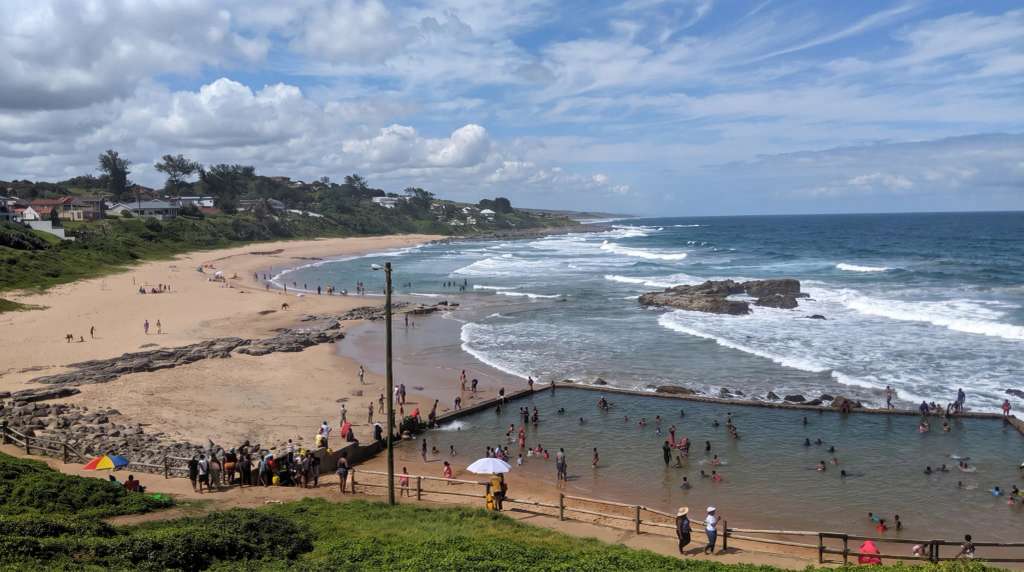
Walking trails in the reserve range from 15 minutes to several hours. The shortest routes are suitable for all fitness levels. The beach at Mtunzini is wild and unspoiled: no shark nets, no lifeguards, and serious surf that makes it a draw for experienced surfers rather than swimmers. It is a completely different character from Zinkwazi's protected lagoon and beach.
Mtunzini also sits on the Zululand Birding Route, the same network that includes Zinkwazi. For birders making a day of it, combining the Umlalazi boardwalk with a session at the Zinkwazi lagoon edge covers two very different coastal habitats in a single trip.
"Mtunzini is where the Dolphin Coast ends and Zululand begins. The vegetation changes, the light changes, and the birds change. Worth the drive for that alone."
What about Hluhluwe-iMfolozi, St Lucia and the battlefields?
Those are full-day trips from Zinkwazi, significant enough to deserve their own dedicated coverage. Hluhluwe-iMfolozi and the Anglo-Zulu War Battlefields is approximately two hours north and covers Africa's oldest proclaimed game reserve plus Isandlwana and Rorke's Drift. St Lucia and iSimangaliso Wetland Park is two hours north on a different route and covers the UNESCO World Heritage Site and the Big 5 coastal park. Each warrants a full day. The best time to visit Zinkwazi covers seasonal considerations that apply equally to day trips.
If you are planning a Zinkwazi stay with day trips to Harold Johnson, Mtunzini or further afield, Zinkwazi has many self-catering options including lagoon-side cottages, beach houses, pet-friendly places, and the houses set back in the milkwood forest. The half-day trips to Harold Johnson and Mtunzini work well as morning outings either side of beach time. Magical Views is one of the few houses in the village bordering the indigenous forest, with Iti Bay in view.
Frequently asked questions
Published June 30, 2026