Zinkwazi has a reputation as a big-house destination: large beachfront properties sleeping 12, private pools, premium rates in December. That version of Zinkwazi exists and it is genuinely good. There is another version: smaller properties throughout the village that cost a fraction of the beachfront houses, give you everything the village offers, and put you within walking distance of the same lagoon, the same beach, the same fish eagles and the same forest trails. The lagoon is free. The beach is free. The forest trails are free. What you pay for is where you sleep.
One thing to level on first. Zinkwazi is not a backpacker town. There are no hostels and no dorm beds. The cheapest way to stay in the village is camping at the lodge inside the lagoon, which is genuinely affordable. Beyond that, the budget play here is shoulder-season pricing on a smaller self-catering property, splitting the cost across a group, and avoiding the December and Easter peaks. If you want hostel-priced beach accommodation, the South Coast or the backpacker spots further north suit that better. If you want the village at the right time of year for the right price, this is the article.
Peak season vs shoulder season: what actually changes
What changes at peak season: price, availability and crowd levels. December and January are the school summer holidays. Easter (March or April depending on the year) is a similar spike for a shorter window. The village fills. The lagoon has more families. The beach car park is busier. The best properties book out, sometimes six months in advance.
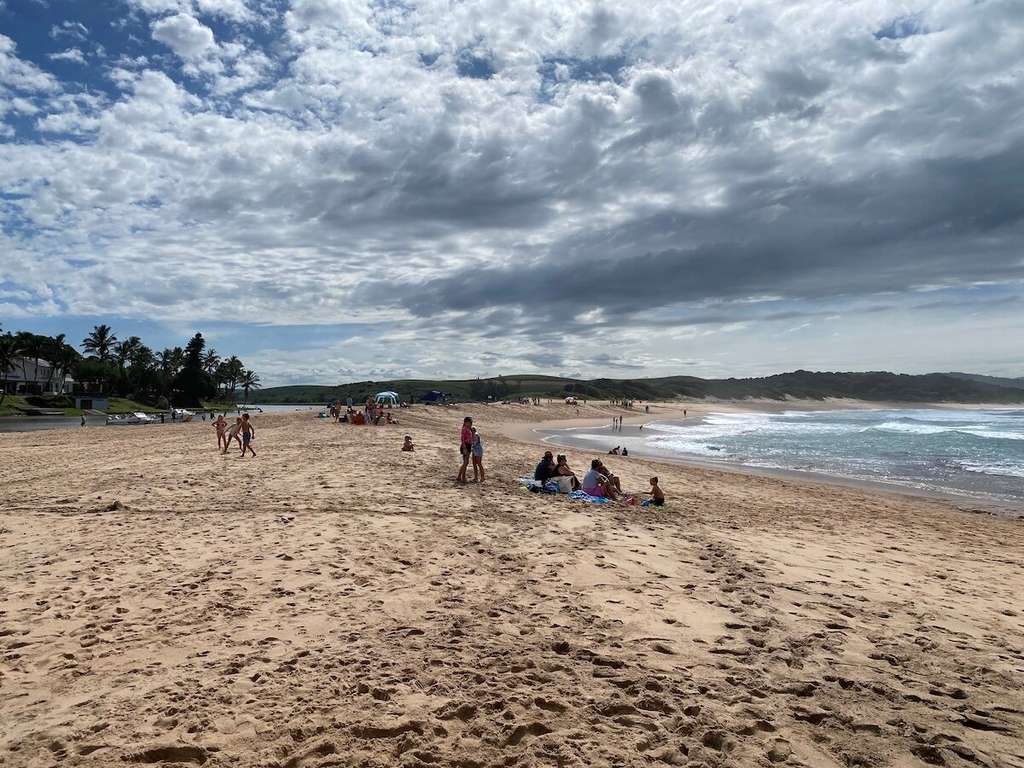
What does not change: the water temperature, the fish eagles, the lagoon, the forest trails, the restaurants, or the character of the village. The Indian Ocean at Zinkwazi stays above 20°C every month of the year. The beach is the same beach.
The argument for the shoulder months is this: the experience at shoulder is the same or better for considerably less money. The lagoon to yourself at 7am in May is not an inferior version of the lagoon in December. It is a different and often quieter one.
The cheapest months to visit Zinkwazi
May is the most underrated month on the KZN North Coast. The school holidays are done, humidity has dropped from the summer peak, and the rain has eased. Temperatures sit in the mid-to-upper 20s. The ocean is still comfortably warm. Accommodation rates drop significantly from the Easter period and the village is genuinely quiet. Anglers consider May one of the best months for shore fishing.
September and October are the strongest value months for most visitors. Spring arrives: warm days, low rainfall, and the water warming back up after the winter dip. Rates are well below peak. The beach is quieter. For families who can travel outside the school holidays, September consistently delivers good conditions at noticeably lower cost.
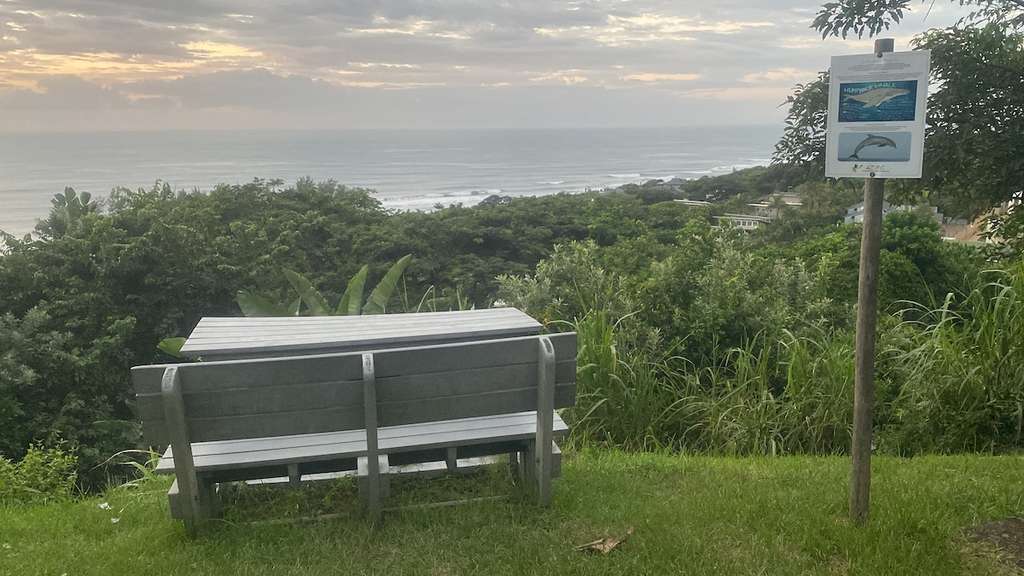
June and July are the driest months of the year and bring the humpback whale migration north along the Dolphin Coast. The July school mid-year holidays push rates up relative to June, but both months are still cheaper than December. The evenings are cool enough for fires. Many visitors who discover Zinkwazi in winter return for it.
"If you're on a serious budget then December might not work. Not because it is bad, it is not, but because May and September are the same place for half the price and half the people."
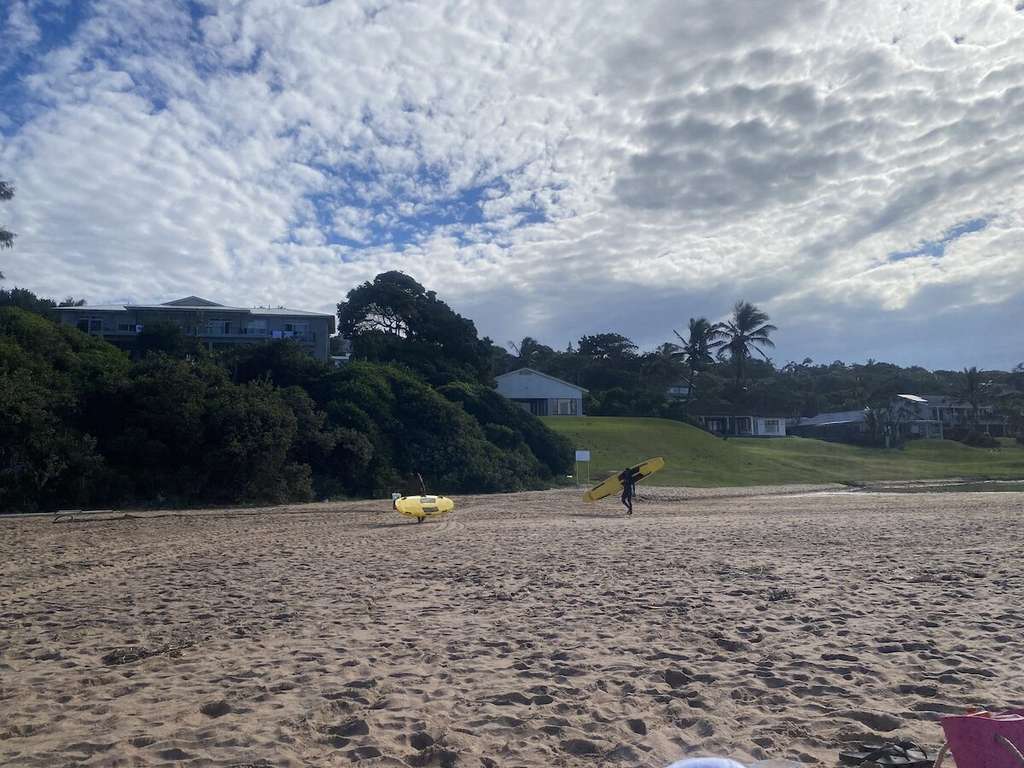
If you really want budget: camping at Zinkwazi Lagoon Lodge
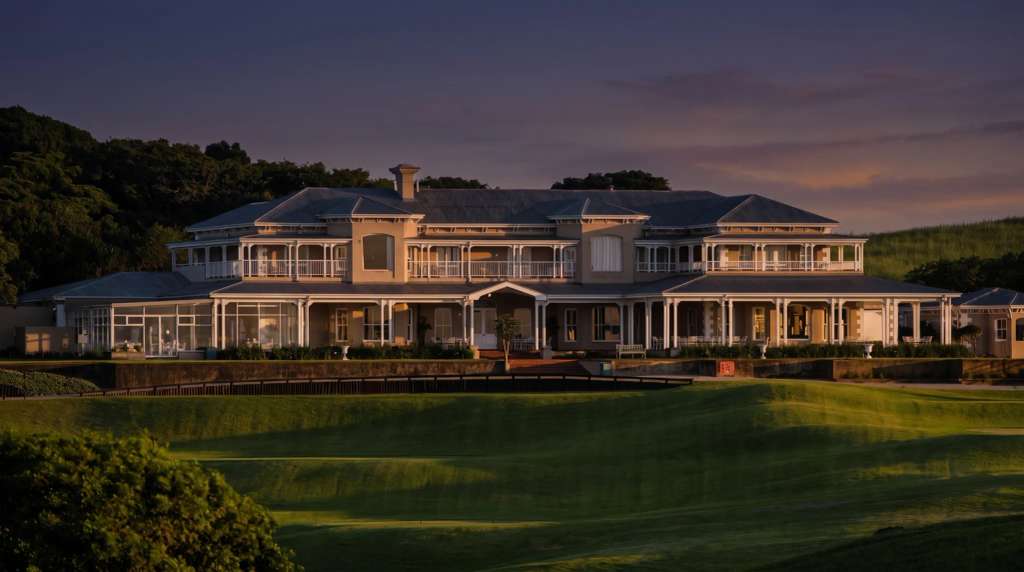
If you are a couple: ANEW Hotel Ocean Reef
How to reduce costs at any time of year
Book smaller. A large beachfront house sleeping 12 at R8,000 a night is R667 per person. A 3-bedroom cottage sleeping 6 at R3,500 a night is R583 per person, and likely in a quieter part of the village with more of the lagoon to itself. Group size and property type matter more than the nightly rate headline. (Figures are illustrative ranges. Actual rates vary by property, season and platform.)
Travel mid-week. Many Zinkwazi properties price weekends higher than weekdays, particularly outside peak season. A Tuesday-to-Tuesday booking at a quieter time of year can represent real savings over a Friday-to-Friday at the same property.
Book early for December and Easter, late for shoulder. By September, the best beachfront houses for the December peak are typically already booked. By October you are looking at second-tier options at peak rates. For shoulder months (May, September, October), three to four months ahead gives plenty of choice.
Stock up on the way in. There is no supermarket in Zinkwazi village. Self-catering works best when you arrive with a full car. The closest real grocery options are KwaDukuza Mall (Pick n Pay, Checkers, Spar) about fifteen to twenty minutes south on the N2, or Ballito for bigger shops. Petrol at the Shell on the N2 just before the Mvoti Toll Plaza. Eating out every meal at the village's small handful of restaurant options adds up. A well-stocked fridge and a braai most evenings is both more affordable and more in keeping with the character of the place.
Use the platform to compare. Zinkwazi properties are listed across Airbnb, LekkeSlaap and SafariNow. Searching three sites separately is how you miss the right place. Browse stays at Zinkwazi Beach on this platform to see what is available in one view, then check availability on the available booking platforms of your choice.
If you are starting to plan, Zinkwazi has many self-catering options including lagoon-side cottages, beach houses, pet-friendly places, and the houses set back in the milkwood forest.
Frequently asked questions
Published March 31, 2026